


26 Jul The Complete Guide to Controlled Gambling

I’ve spent years watching how people approach online pokies and table games, and I’ve realized that the line between entertainment and harm gets unclear fast. This guide isn’t here to insist you give up. It’s about providing you with the same useful tools insiders use to keep their own play under control. I want you to comprehend exactly how the mechanics work, how your brain reacts, and how to establish a framework that safeguards your bank account and your wellbeing. The aim is straightforward: keep gambling what it should be (paid entertainment, not a financial strategy or an emotional crutch). I’ll guide you through the whole thing, no softening.
Identifying the Early Warning Signs
I’ve talked with enough players to understand that problem gambling hardly ever announces itself with a single catastrophic event. It creeps in through small, justifiable compromises that accumulate over weeks and months. The person who never thought they’d chase losses suddenly finds themselves depositing at 2 a.m. to recover a bad beat. I want you to consider the warning signs like the lights on a car dashboard. Ignoring a flashing check-engine light doesn’t make the problem disappear; it just assures a more expensive repair down the road. Self-awareness is difficult, but it’s also the only path back to control.
Mental and Conduct Red Flags
When I start feeling irritable or anxious on days I’m not gambling, I know something is shifting in the wrong direction. Other red flags I watch for include lying to family about time or money spent, borrowing funds to play, or feeling a compulsive need to win back losses immediately. Gambling should never seem like a job or an obligation. If I observe myself skipping social events, losing sleep, or checking my balance obsessively during work hours, I stop all play for at least a week. These behaviours signal that the activity has stopped being entertainment and started becoming an emotional dependency that needs addressing.
The Economic Stress Test
I use a brutally simple financial stress test every month. I ask myself: have I ever used money designated for bills, groceries, or rent to fund a gambling session? If the answer is yes, even once, I consider it as a serious breach of my personal firewall. Another question I ask is whether I’ve ever sold possessions or taken out short-term loans to continue playing. Those actions show that gambling is no longer funded by disposable income but by survival money. When I pass that line, I immediately initiate a self-exclusion and contact a support service. No jackpot is equal to the slow erosion of financial stability and the anxiety that comes with it.
Comprehending the Mathematical Edge and Your Mindset
Prior to addressing limits, I need you to absorb one truth every casino professional is already aware of: the mathematical advantage always belongs to the house. Every pokie spin, every hand of blackjack is built to pay out slightly less than it takes over the long run. That is no gimmick; it’s the business model that pays for the lights, the software, and the jackpots. When I play, I treat the house edge as the price of the thrill, similar to purchasing a concert ticket. Once you realize that you’re paying for entertainment instead of attempting to beat a system built by mathematicians, the emotional pressure to chase losses disappears. Your mindset shifts from desperation to calm, deliberate spending.
Differentiating Skill from Pure Chance
I consider it useful to split games into two mental buckets: those with an element of skill and those that are pure chance. Pokies, keno, and roulette fall directly into the pure chance bucket. No strategy can affect the outcome. Table games like blackjack or video poker, on the other hand, let me make decisions that slightly reduce the house edge. I never confuse the two. When I sit at a pokie, I understand I’m paying for a random light show with no memory. That distinction prevents me from slipping into the trap of thinking a machine is “due” to pay out, a cognitive distortion that has emptied more wallets than any jackpot ever filled.
The Dopamine Feedback and How It Misleads You
Your brain is the most sophisticated slot machine ever built, and I say that with complete respect for its complexity. Near-misses and unpredictable small wins spark dopamine releases that are chemically almost identical to what you’d experience with certain substances. I’ve sensed that excitement myself, and I recognize how it can hijack rational thought. The games are constructed to keep you in a state of suspended judgment, where the next spin always feels like the one. Identifying this biological response is the first step toward mastering it. Now I stop every twenty minutes to ask myself: am I playing because I’m having fun, or because my brain is chasing the next chemical hit?
Handy Instruments at Imperial Wins Casino
I aim to explain the particular tools I use, because understanding their presence differs from actually configuring them. Imperial Wins Casino has a responsible gambling dashboard that puts all the controls in one place, and I check my settings on the first day of every month. The interface lets me adjust deposit limits, set session reminders, access my transaction history, and initiate a cooling-off or self-exclusion without contacting a support agent. step-by-step guide I value that these tools are self-service, eliminating any social friction that might prevent someone from acting during a vulnerable moment.
One feature I rely on heavily is the detailed account history, which shows exactly how much I’ve deposited, wagered, and withdrawn over any custom date range https://imperialwinpokies.com/responsible-gambling/. I review this data with the same detachment I use when reviewing a bank statement. The numbers don’t lie, and they often uncover patterns I hadn’t consciously noticed, such as late-night spending spikes after stressful workdays. Furnished with that information, I can modify my limits to focus on those specific danger zones. The casino also offers direct links to independent support organisations right from the dashboard, ensuring help is never more than a click away if the self-help tools fall short.
Setting Personal Limits That Are Truly Effective
Generic advice about “gambling responsibly” often falls short because it’s too vague. I choose to build a concrete, three-layered system of limits that I set before I even log in. This takes away the need for willpower in the heat of the moment, which is a losing battle for almost everyone. The three layers I use are deposit limits, session time limits, and loss limits. When these boundaries are locked in place, I can relax and enjoy the experience without the nagging anxiety that I might accidentally blow through my rent money. The key is absolute honesty with yourself during the setup phase, because you’re protecting your future self from your present impulses.
Deposit Caps as Your Financial Firewall
I treat my deposit limit as a non-negotiable firewall between my entertainment budget and my living expenses. Before a session, I transfer only the amount I’m genuinely comfortable losing entirely, and I visualise that money as already spent the moment it leaves my bank account. At Imperial Wins Casino, I can set daily, weekly, or monthly deposit caps directly in my account settings, and I strongly recommend using them. Once the cap is reached, the decision is out of my hands, and I can walk away without the mental torture of debating whether to reload. I never increase a limit during a session, because that version of me isn’t thinking clearly.
Duration Limits and Reality Checks
Time warping is one of the most dangerous side effects of immersive pokie design. I’ve taken a seat for what appeared to be fifteen minutes only to find two hours had evaporated. To counter this, I set a strict session timer on my phone and enable the reality check reminders accessible in my account. When the alert pops up showing me exactly how long I’ve been playing and my net position, I compel myself to read it out loud. That simple act interrupts the trance. I also plan something mildly important right after a session (like walking the dog or calling a friend) so I have a hard stop that exists in the real world, not just the digital one.
Loss Thresholds and the Practice of Leaving
A loss limit is the most emotionally difficult boundary to uphold, and that’s exactly why I program it. I choose on a maximum loss figure before I start, and if I reach it, the session stops, no exceptions. I don’t allow myself to rationalise that I’m “due for a win” or that I can use tomorrow’s budget. Chasing losses is the fastest way to transform a small entertainment expense into a financial wound. I’ve learned to recast hitting my loss limit not as a failure, but as a successful execution of my safety plan. The discipline to walk away when the number turns red is a skill that demands practice, but it’s the single most important habit you can develop.
Self-Exclusion and Cooling-Off Periods
At times the wisest move I can make is to give the keys to someone else for a while. Voluntary exclusion and pause tools aren’t dramatic gestures saved for rock-bottom moments; they’re effective circuit breakers I can use whenever I feel my control slipping. At Imperial Wins Casino, these options are integrated directly into the responsible gambling tools, and I’ve used them myself during particularly stressful life periods when I knew my judgment was affected. There’s absolutely no shame in securing the door from the outside. I regard it one of the most mature decisions a player can make, because it values long-term wellbeing over short-term impulse.
The method Self-Exclusion Operates
When I enable self-exclusion, I’m agreeing to a binding agreement with the casino to block my access for a chosen period, which can extend from six months to permanent closure. During that time, I can’t sign in, add funds, or get promotional material. The system is irreversible until the exclusion period naturally expires, which takes away the temptation to change the decision during a moment of weakness. I recommend choosing a duration that feels slightly longer than you think you need, because your brain will try to bargain for a shorter sentence. This tool is most useful when used with blocking software on your devices and a honest conversation with a trusted person in your life.
Short-term Pause as a Refresh Button
A cooling-off period is a more concise, more adaptable pause that I use when I need a weekend or a week to renew my perspective. Unlike full self-exclusion, a cooling-off typically continues between twenty-four hours and one month. I find this tool priceless after a particularly intense session or when my thoughts wander toward gambling during family time. The break lets my dopamine receptors to relax and my rational brain to recover the upper hand. When I return, I always re-evaluate my limits and often set them lower than before. Think of it as a break for your brain, a chance to remember that life holds other pleasures beyond spinning reels.
Third-party Support and Problem Resources
There are times when the casino tools don’t suffice, and I have to reach out to professionals who concentrate in gambling harm. I hold a list of Australian resources stored on my phone so that I don’t have to search during a crisis. Gambling Help Online offers free, confidential counselling via phone and live chat twenty-four hours a day, and I’ve discovered their advisors to be non-judgmental and deeply knowledgeable. Lifeline is an additional critical number I keep close, because problem gambling often intertwines with broader mental health struggles like depression and anxiety. Reaching out https://bleacherreport.com/articles/10097446-bengals-vs-ravens-updated-odds-money-line-spread-props-to-watch-for-tnf is not a weakness; it’s an act of courage and self-respect.
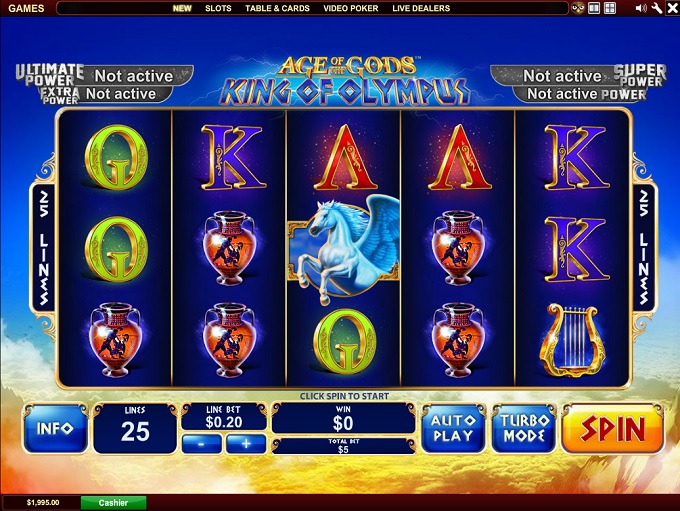
I also suggest exploring Gamblers Anonymous meetings, available in most Australian cities and online. Hearing others recount the exact same thought patterns I’ve experienced is profoundly reassuring, removing the isolation that drives the problem. Financial counselling services can assist renegotiate debts and establish a recovery budget, handling the practical damage while emotional healing starts. I’ve observed people rebuild their lives completely after reaching out, and the common thread is consistently the same: they ceased trying to fix it alone. No one anticipates you to have all the answers, and the support network is present precisely because this is a recognised health issue, not a moral failing.
I’ll leave you with the thought that’s steered me for years. Safer gambling does not revolve around perfection or abstinence; it’s about establishing a system of honest self-awareness, firm boundaries, and the humility to ask for help when those boundaries begin to bend. The tools I’ve described are located in your account right now, waiting to be activated. Take ten minutes today to configure your deposit limits, turn on reality checks, and store a support number in your phone. That small investment of time can safeguard everything you’ve worked for, and it guarantees that gambling remains exactly what it should be: a light, occasional form of fun that never casts a shadow over the rest of your life.
Sorry, the comment form is closed at this time.